+86-18633235200+86-18633235200
E-Mail: weimeihuanbao@163.com
The anode module of a wet electrostatic precipitator is a fundamental component of large-scale dust removal equipment. It is mainly designed to remove harmful substances such as dust, acid mist, water droplets, aerosols, tar and PM2.5 from humid gas streams. It is applied to the advanced purification of wet flue gas in industries including coal-fired power generation, metallurgy, boiler operation, chemical engineering, waste incineration, building materials, cement production and glass manufacturing, so as to achieve clean emission standards.
The following lists the assembly forms of anode tubes for wet electrostatic precipitators:
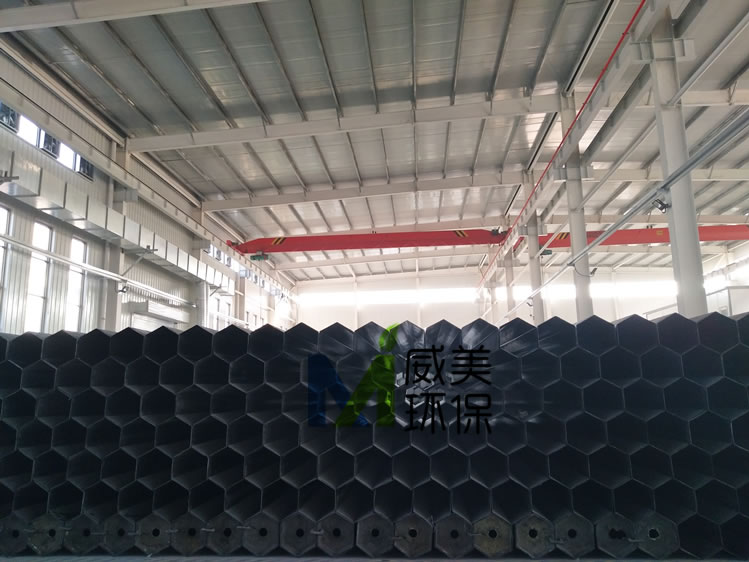
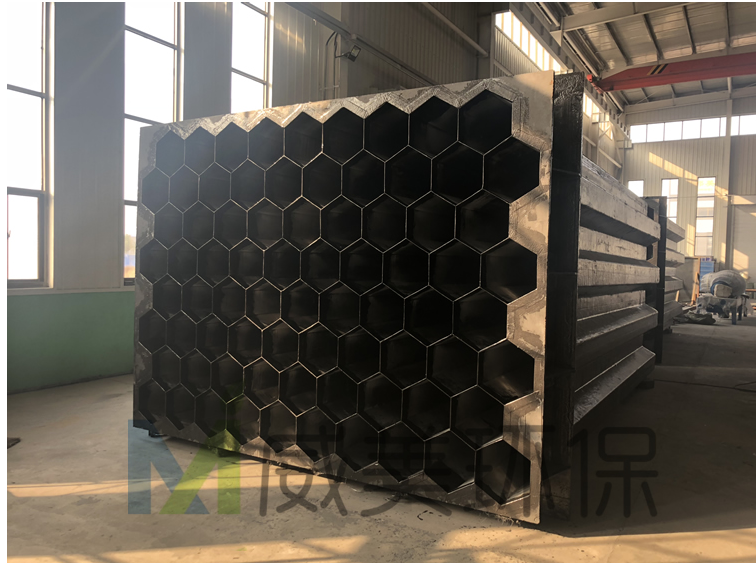
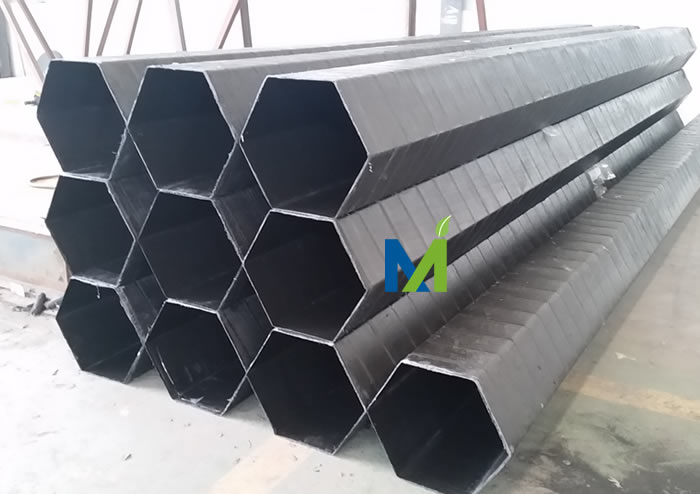
Unassembled anode tubes for wet electrostatic precipitators
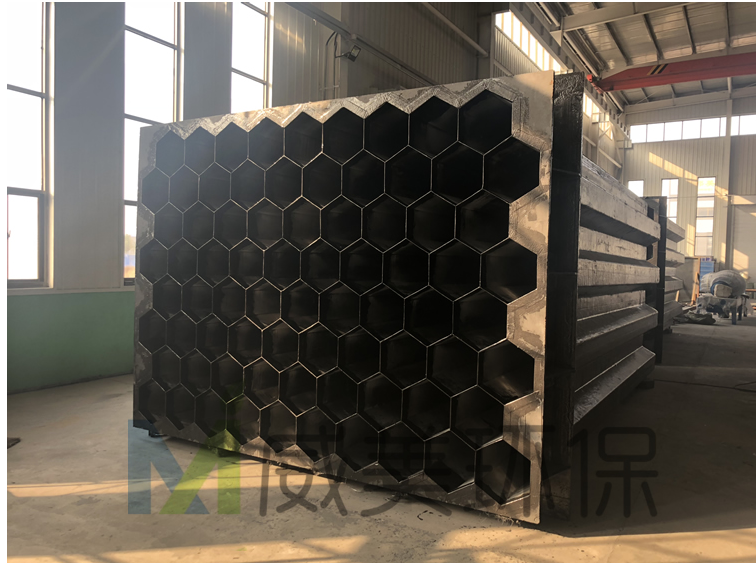
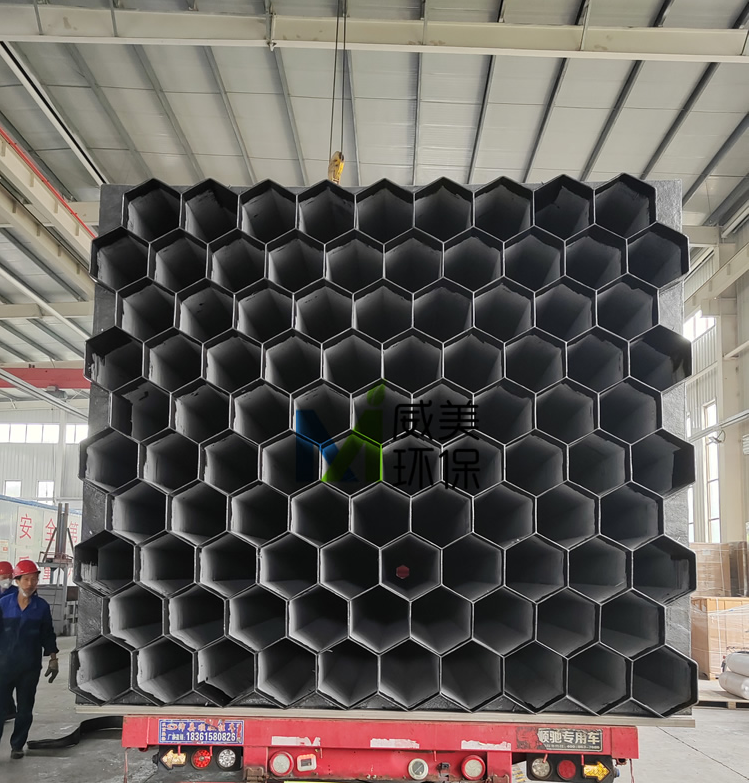
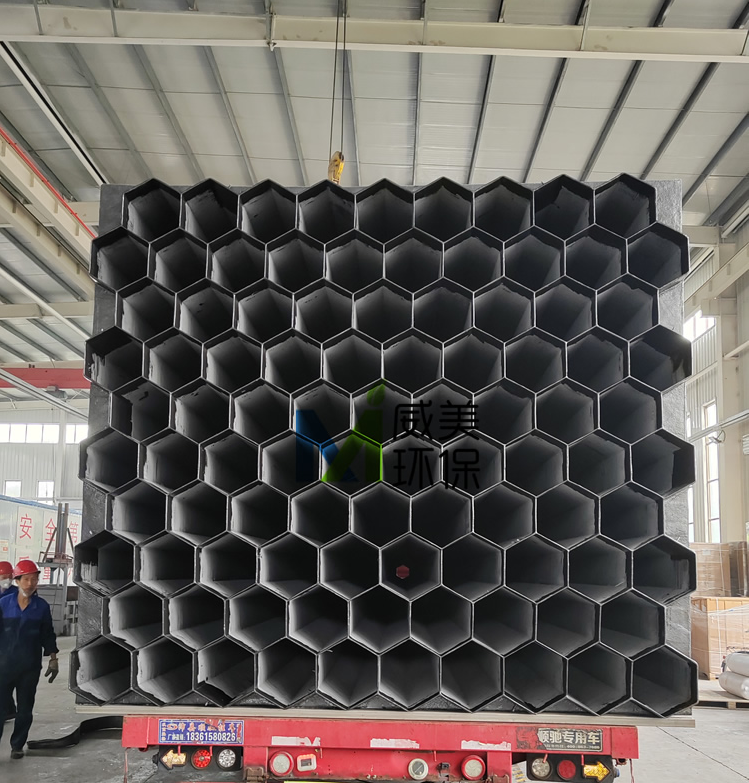
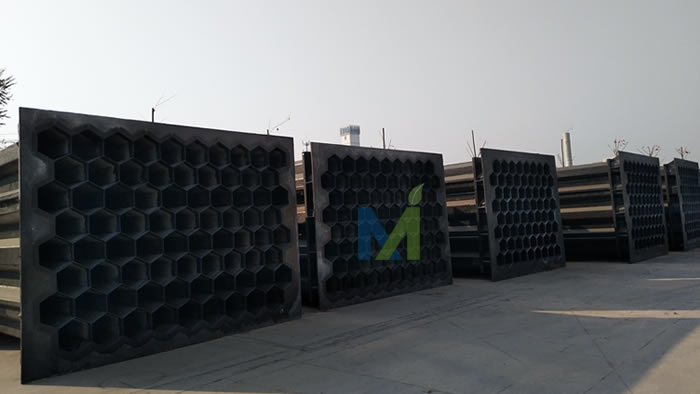
Square-assembled anode modules for wet electrostatic precipitators
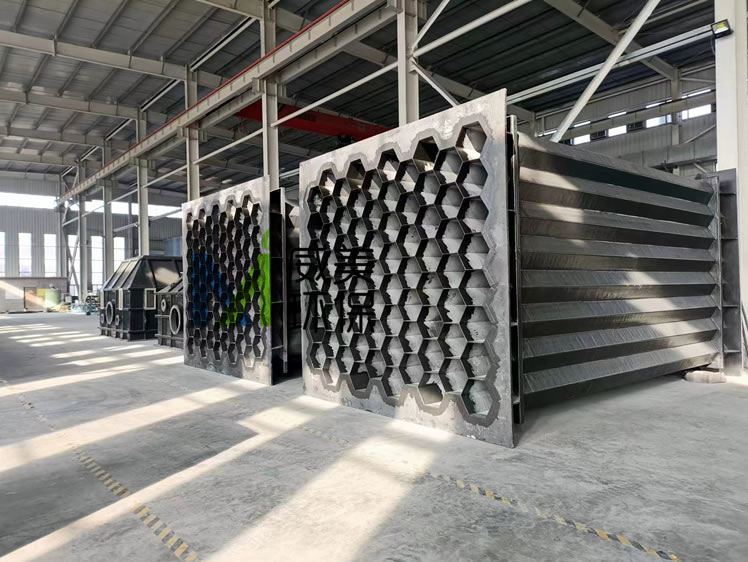
Square-assembled anode modules for wet electrostatic precipitators
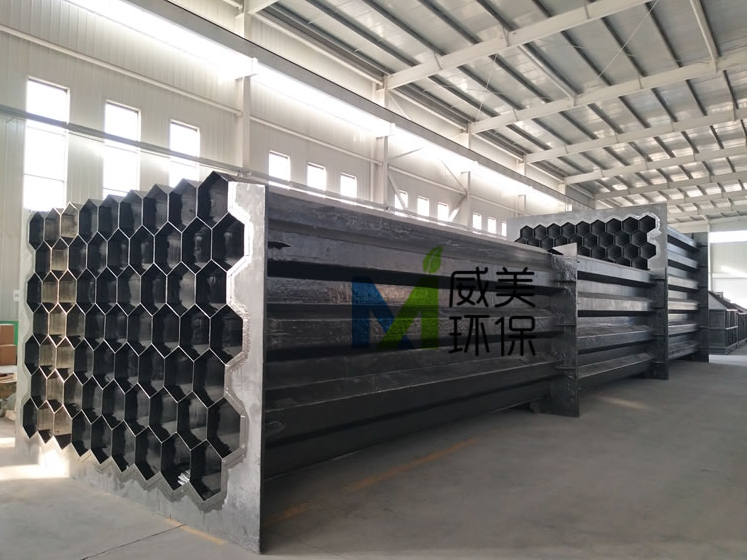
Split square anode tube bundles (divided into two halves for convenient transportation and spliced together during installation)
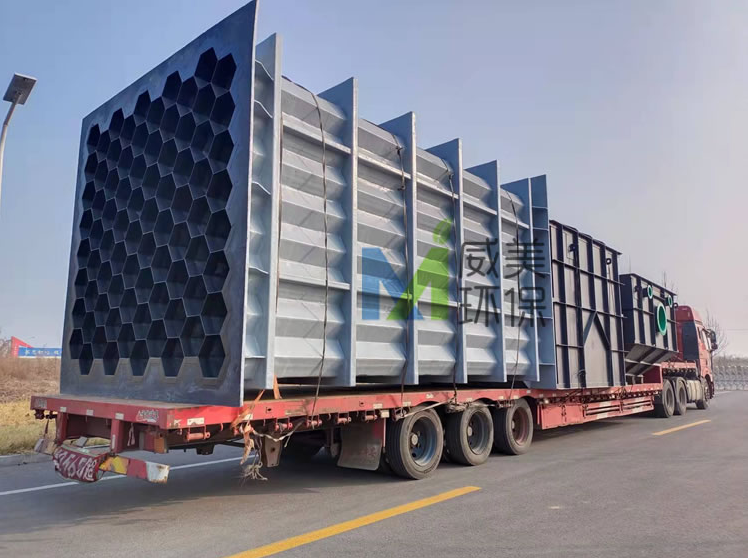
Anode modules for wet electrostatic precipitators with exterior anti-UV gel coat
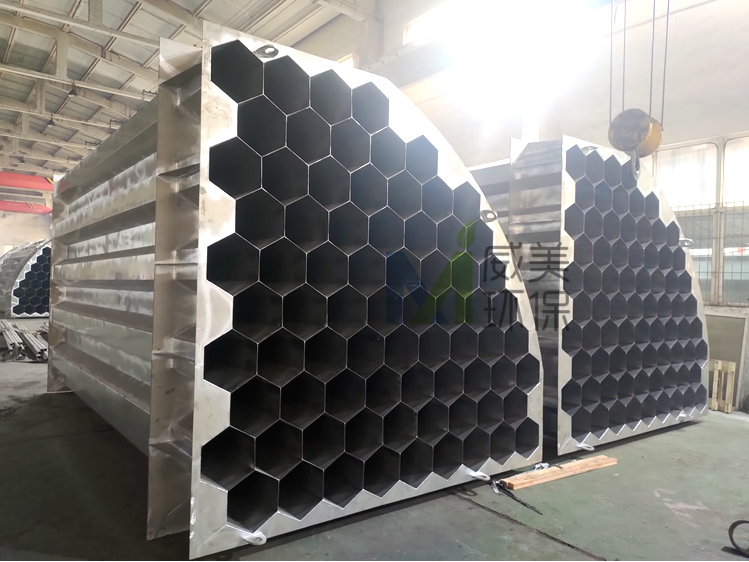
Semicircular stainless steel anode modules for wet electrostatic precipitators
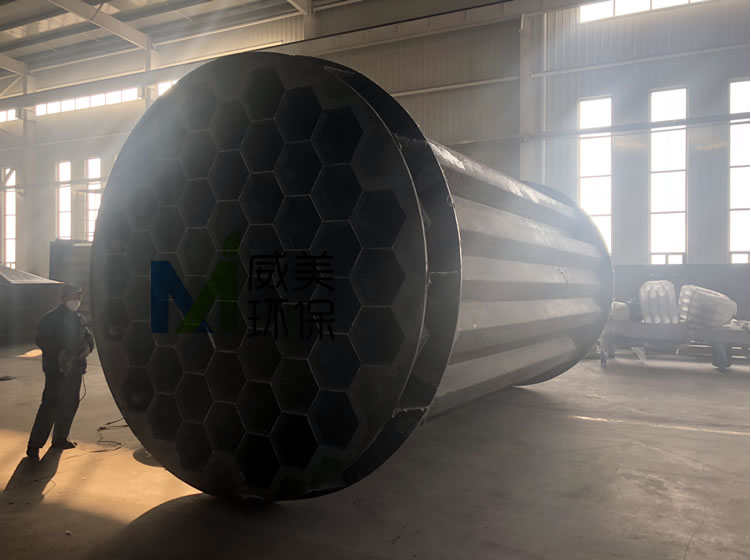
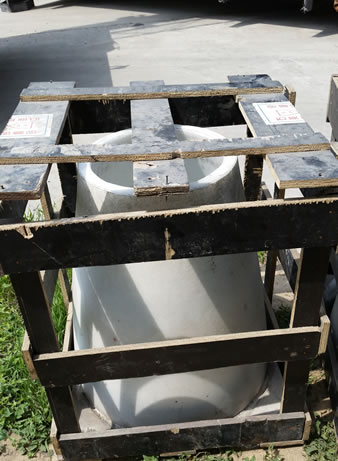
Circular anode modules for wet electrostatic precipitators

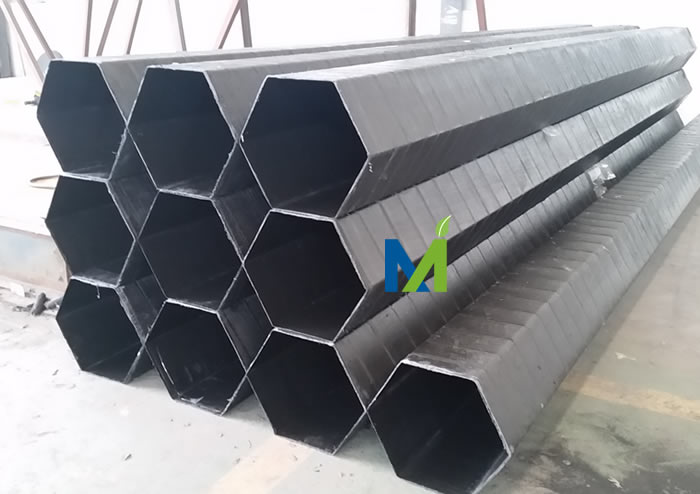
The anode tubes of wet electrostatic precipitators are generally made of conductive FRP (fiberglass reinforced plastic) with a wall thickness of ≥ 3mm. The resin adopted is vinyl flame-retardant resin, and the inner surface shall be smooth and easy to clean. The resistance of each anode tube shall be < 100Ω.
The cathode wires can be made of 2205 duplex stainless steel, lead-antimony alloy or titanium. It is required that the wet electrostatic precipitator must be designed with earthing, and the earthing resistance shall be < 2Ω.

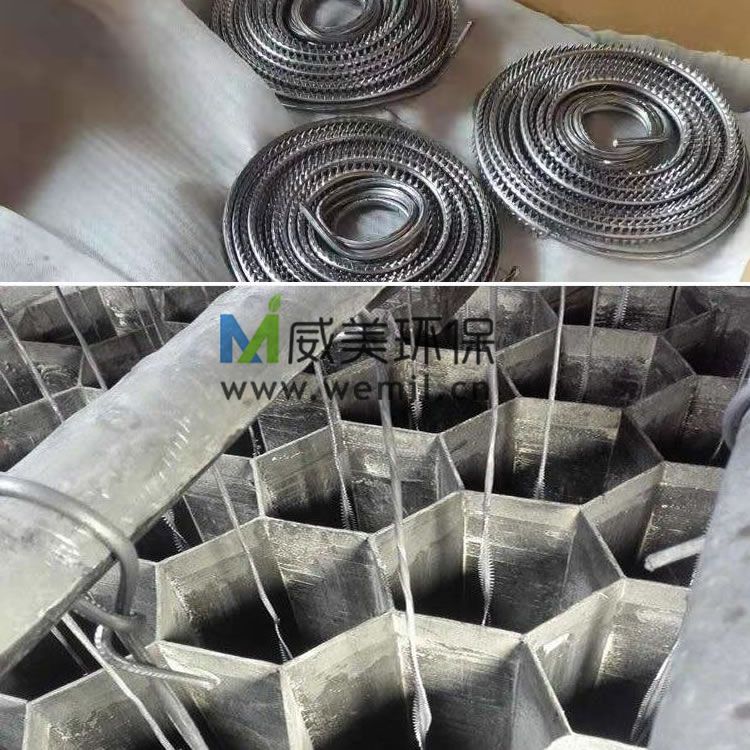
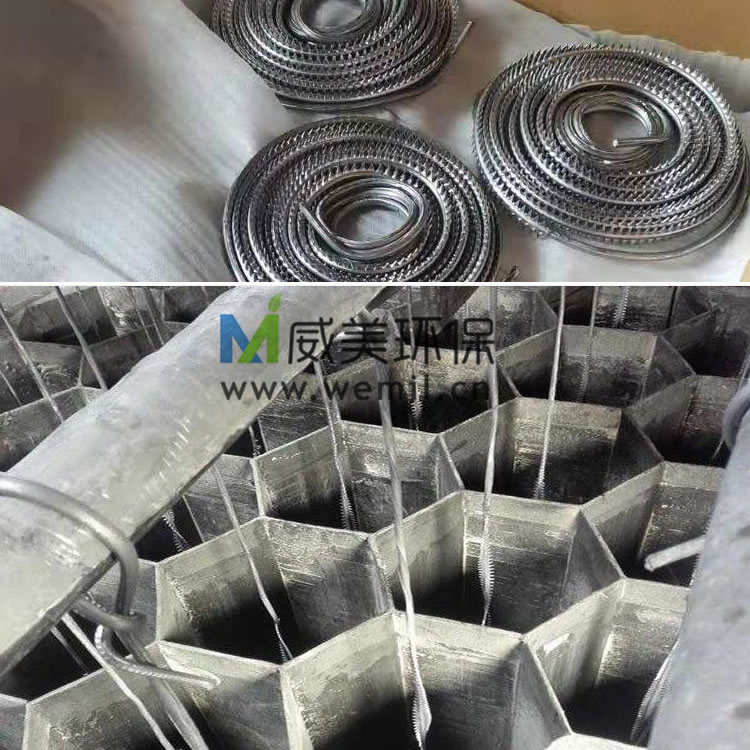
Conductive FRP Anode Tubes

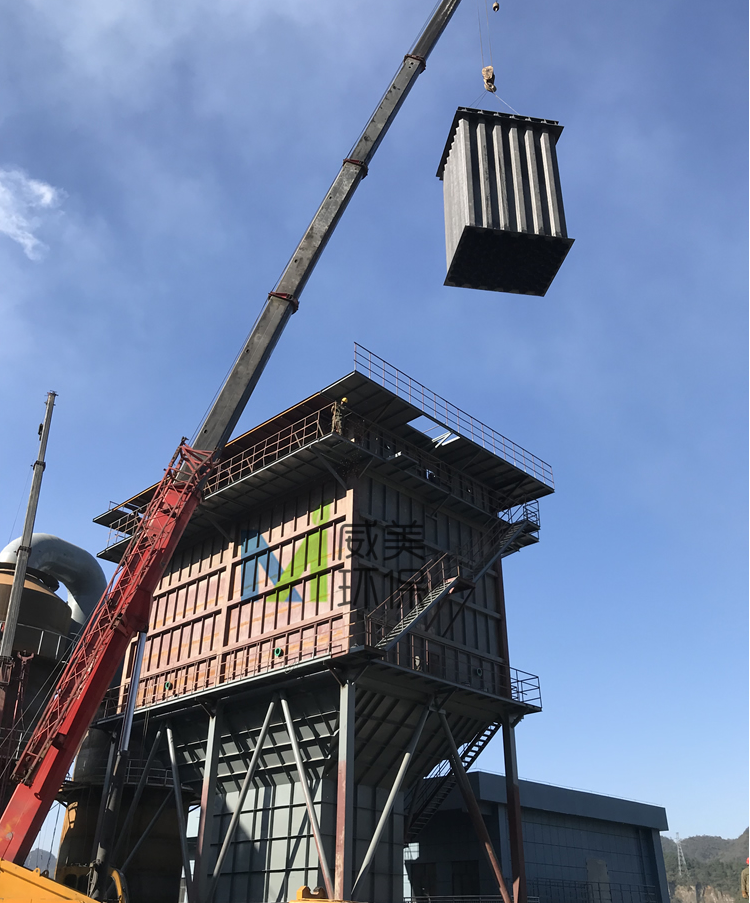
Hoisting of FRP Anode Modules

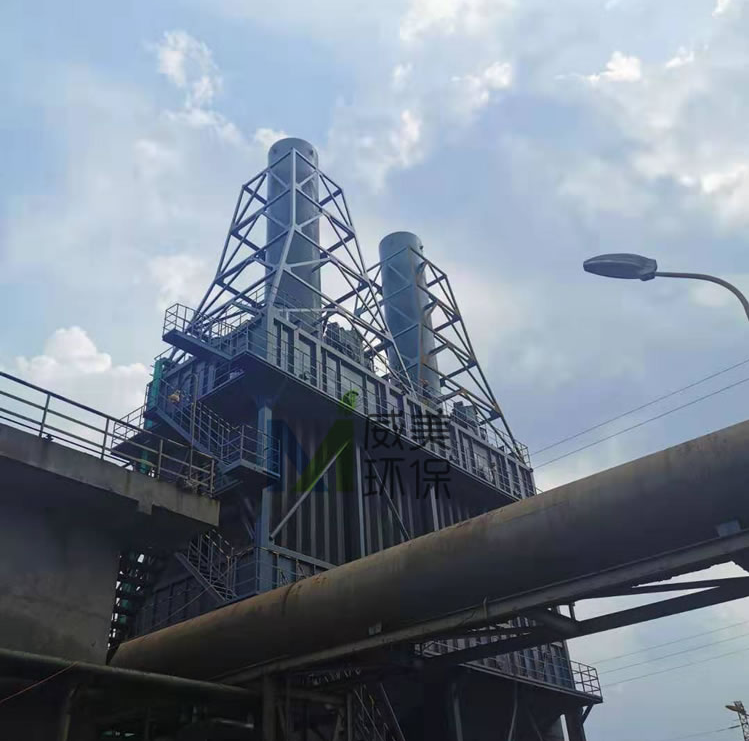
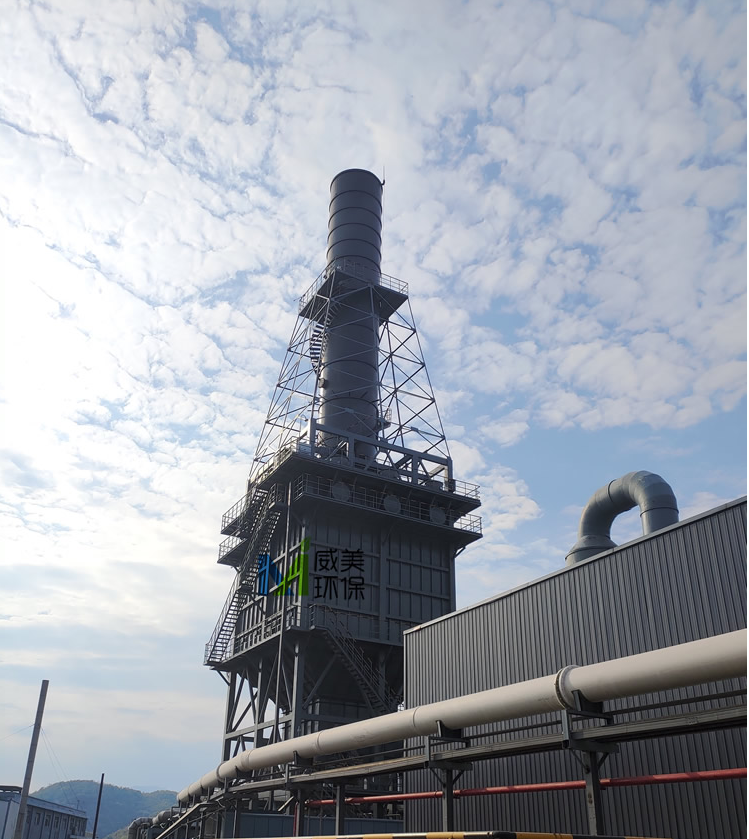
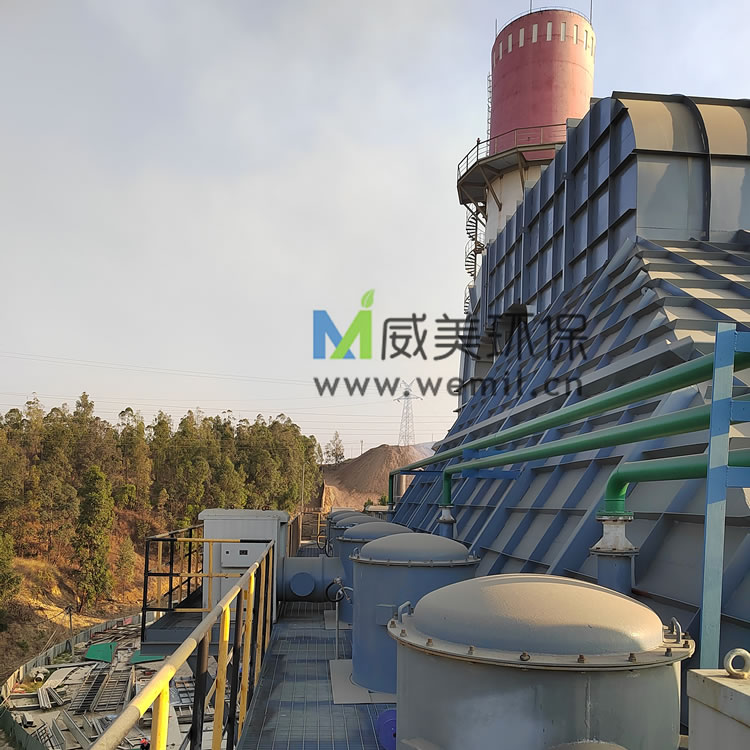
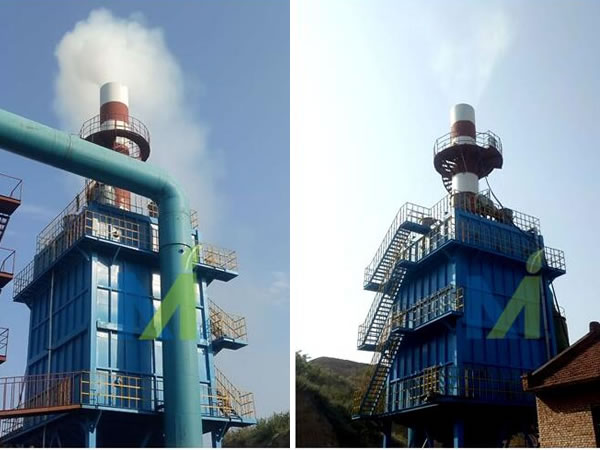
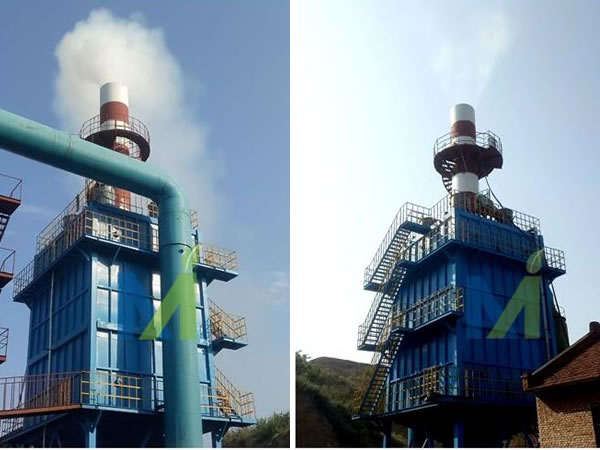
Wet Electrostatic Precipitators in Operation

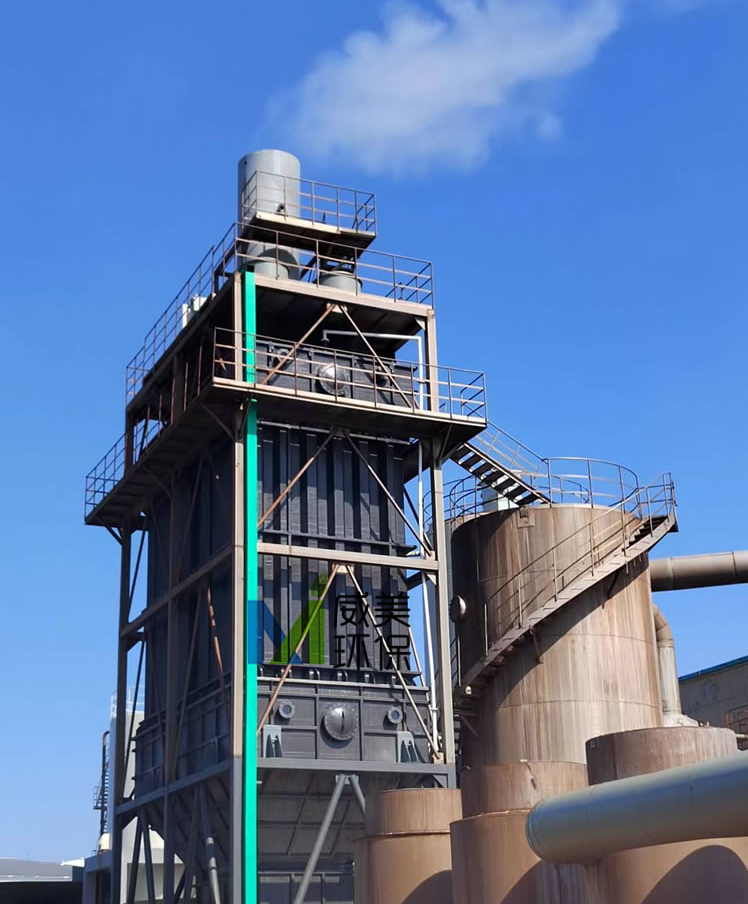
There are generally three material options for the shell of a wet electrostatic precipitator: carbon steel lined with anti-corrosive glass flake, glass fiber reinforced plastic (FRP), and stainless steel. The following are the process requirements for the carbon steel shell.
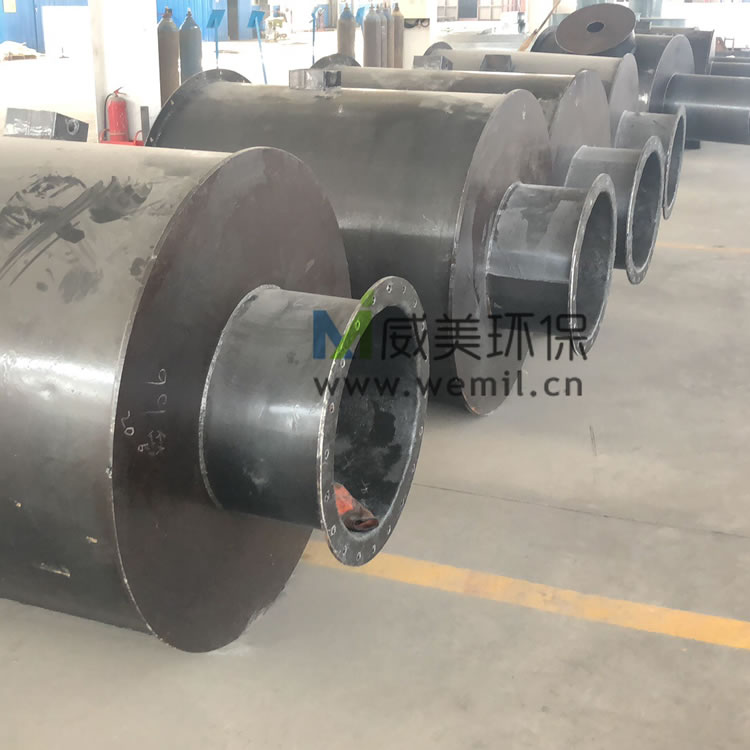
The upper air chamber, lower air chamber and ash hopper of the wet electrostatic precipitator shell shall be welded with Q235 steel plates of not less than 5mm thickness to ensure the airtightness of the equipment and prevent leakage. Flanges shall be equipped at the inlet and outlet, and the external surface shall be integrally reinforced with section steel.

Example of Glass Flake Anti-corrosion for Internal Surface of Steel Shell
Anti-corrosion Requirements

Wet Electrostatic Precipitator with Steel Shell
For the operation and maintenance of the wet electrostatic precipitator, strict management systems and operating procedures should be formulated. The equipment must be managed by full-time personnel, who should conduct regular inspections and record the operation status of the wet electrostatic precipitator. Operators need to record the operating parameters of the equipment every hour, including flue gas temperature, insulation chamber temperature, primary voltage, primary current, secondary voltage, secondary current, and the operation status of the fan, etc.

Operation and Maintenance of Wet Electrostatic Precipitators

Hebei Weimei Environmental Protection focuses on the field of in-depth flue gas pollution treatment, and is committed to the manufacturing and maintenance services of complete sets of equipment such as wet electrostatic precipitators, electrostatic demisters, desulfurization and dust removal systems, as well as accessories for dust and mist removal systems.
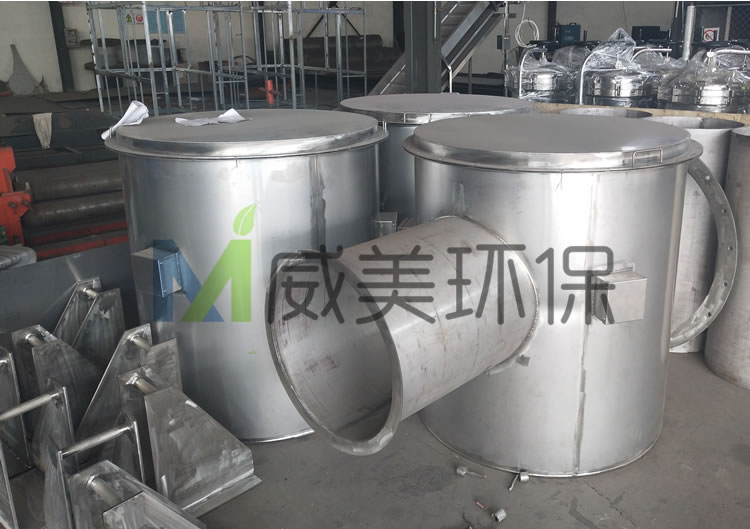
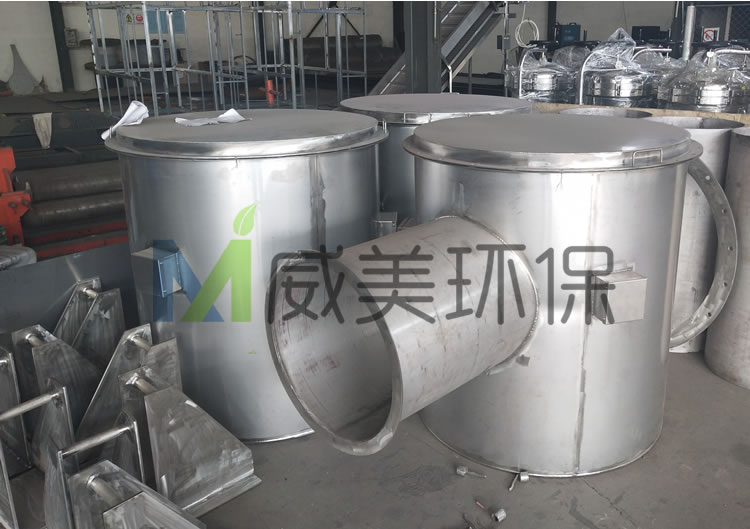
The insulation temperature-controlled box of wet electrostatic precipitators can adopt two methods—electric heating and hot air purging—to ensure the insulation performance of the insulator chamber. The electric heating method is widely used due to its extremely low or zero air leakage rate; especially for systems with low SO? concentration, this method is the only available option. The hot air purging method is suitable for occasions with high SO? concentration and sufficient surplus capacity.

316L Stainless Steel Insulation Box for wet electrostatic precipitators
The insulation box plays the role of insulating the high-voltage electric field from the equipment; it maintains a certain temperature to prevent the condensation of moisture in the flue gas on the porcelain bushing at low temperatures, which would otherwise cause flashover.

Hebei Weimei Insulation Box for Wet Electrostatic Precipitator

Insulation Box of Wet Electrostatic Precipitator in Operation for the Phosphorus Chemical Industry Waste Gas Treatment Project

In the actual operation of a wet electrostatic precipitator (WESP), the cathode wires operate in a harsh working environment. If the electrode wires break, it may cause electrode short-circuiting, which in turn forces the entire electric field to shut down and lose its dust removal capability. According to the on-site gas conditions, we will select the corresponding cathode wires, among which the most commonly used ones are lead electrode wires and 2205 stainless steel cathode wires.

Causes and Solutions for Severe Corrosion and Fracture of Cathode Wires in Wet Electrostatic Precipitators
The following phenomena will occur when cathode wires break:
Causes for Cathode Wire Fracture in Wet Electrostatic Precipitators:
Solutions for Cathode Wire Fracture in Wet Electrostatic Precipitators:
Hebei Weimei Environmental Protection Co., Ltd. is a manufacturer specializing in the design and production of wet electrostatic precipitators and flue gas desulfurization equipment. We also undertake maintenance and renovation projects for wet electrostatic precipitators and flue gas desulfurization equipment. Inquiries are welcome.

Conductive FRP wet electrostatic precipitators are generally applied to flue gas purification in the environmental protection industry, as well as gas purification, mist elimination and dust removal in industries such as metallurgy, chemical engineering and petroleum.
Conductive FRP wet electrostatic precipitators boast the following features:

Features of Conductive FRP Wet Electrostatic Precipitators

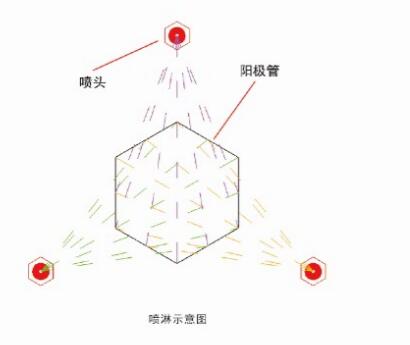
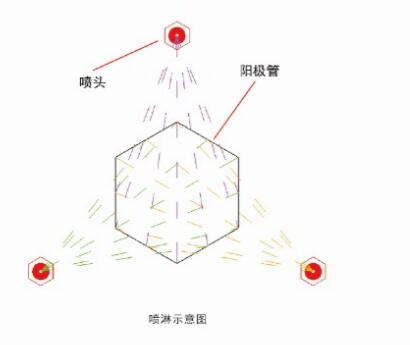
The wet electrostatic precipitator is equipped with an intermittent spray method. Spraying plays a remarkably significant and effective role in improving the efficiency of the wet electrostatic precipitator, as well as maintaining the cleanliness, long-term stability and safe operation of the electric field. It is especially crucial for the safe operation of the wet electrostatic precipitator and the initial commissioning phase. All users should attach great importance to this and strictly follow the relevant requirements. For intermittent spraying, impurity-free weakly acidic circulating water or clean water can be selected.

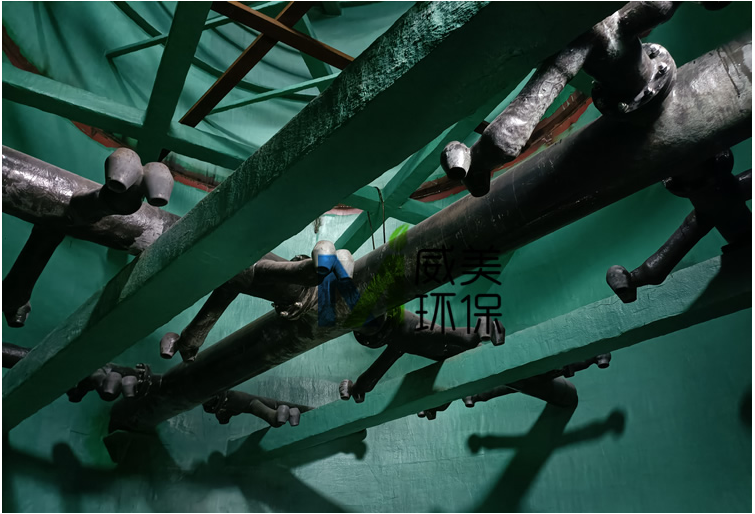
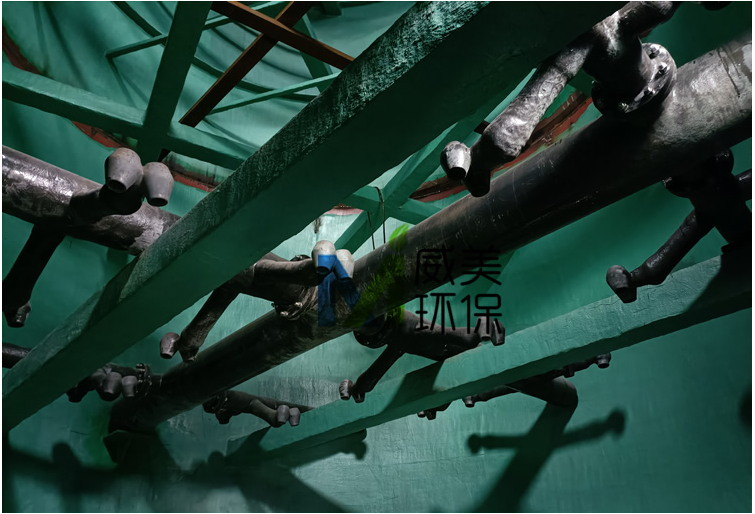
Schematic Diagram of Spraying for Wet Electrostatic Precipitator

Anode tubes constitute the anode system of wet electrostatic precipitators. The fiberglass reinforced plastic (FRP) anode tubes produced by Hebei Weimei Environmental Protection Co., Ltd. boast the advantages of strong corrosion resistance, excellent electrical conductivity, high efficiency in dust and mist removal, light weight, high strength, and compact structure. The honeycomb structure enables both the inner and outer surfaces of each tube to serve as precipitation surfaces. They also feature good flame retardancy, with the oxygen index of the material reaching over 32. Their service life can be as long as 20 years.

FRP Anode Tubes
Layered Structure and Fabrication of FRP Anode Tubes
The layered structure of the FRP used for conductive FRP anode tubes is, from the inside to the outside, as follows: 1 layer of carbon fiber mat, 2 layers of chopped fiber strip mats, 3 layers of glass fiber cloth with a thickness of 0.4mm, and 1 layer of glass surface mat. Vinyl resin is adopted as the base resin, which contains high-carbon-content (>98%) graphite, flame retardants and other additives. The conductive FRP made of this material has the advantages of high strength, good rigidity, excellent electrical conductivity and flame retardancy.
Characteristics of FRP Anode Tubes

Anode System of Wet Electrostatic Precipitator

During the operation of a wet electrostatic precipitator, damage and cracking of insulating porcelain insulators often occur, which will lead to failure to apply high external voltage or transmit power. What are the causes of this situation?

Replacement of Insulating Porcelain Insulators for Wet Electrostatic Precipitator