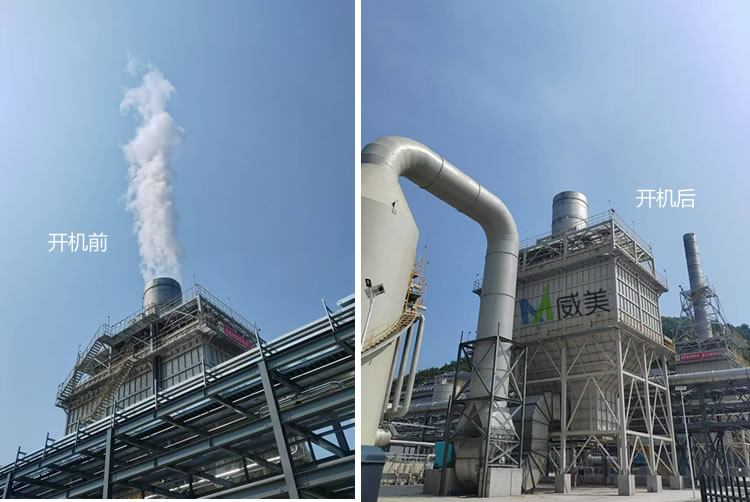
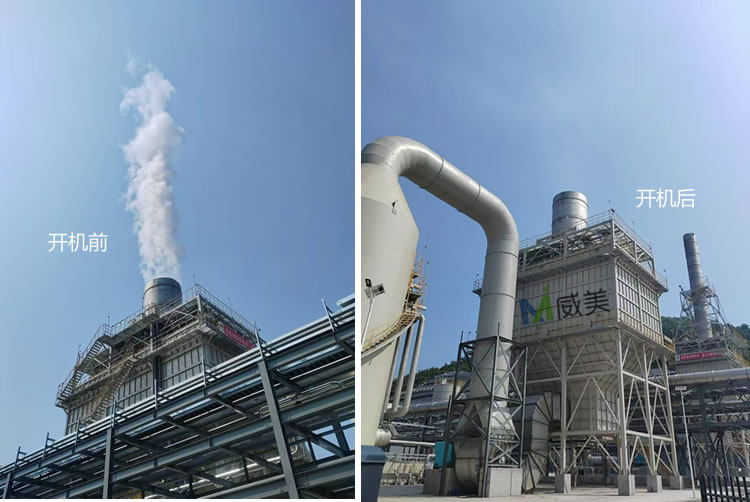
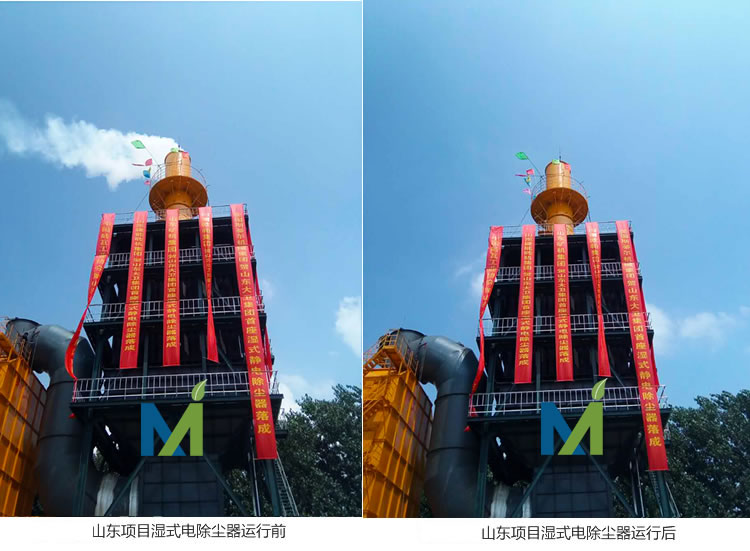
To ensure the long-term stable operation of an electrostatic precipitator and achieve the expected dust removal efficiency, a designated person shall be assigned to be responsible for its operation and maintenance. The person in charge must meet the four understandings and three competencies requirements for the electrostatic precipitator.The four understandings refer to: understanding the structure, understanding the working principle, understanding the performance, and understanding the functions.The three competencies refer to: being competent in operation, being competent in maintenance, and being competent in troubleshooting.
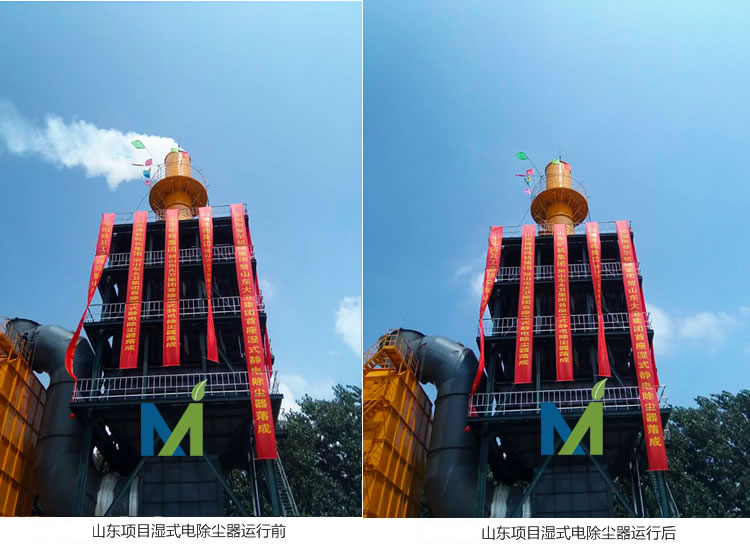
An inspection shall be conducted on the electrostatic precipitator every time it is shut down, including cleaning the electric field, straightening severely deformed anode plates and cathode wires, wiping the insulating porcelain components, measuring the insulation resistance, and troubleshooting faults occurring during operation. In addition, a medium maintenance shall be carried out once a year, which includes replacing damaged parts. For each overhaul, the electric field shall be comprehensively cleaned and adjusted, all parts that affect performance or are damaged shall be replaced, and the lubricating oil shall be changed regularly.
Routine Inspection and Maintenance of Electrostatic Precipitators
1.1 First check the dust accumulation status inside the electric field before cleaning it.
1.2 Check the side walls of the electric field, access doors, insulator chambers on the top cover, and other parts for air leakage, condensation, dust caking, corrosion, or dust accumulation, and remove these defects accordingly.
1.3 Check the temperature of each drive motor, the oil level inside the reducer, whether the rapping shaft bearings are jammed, whether the hammer heads rotate flexibly and are not loose or missing, and whether the impact contact positions are accurate. Apply lubricating oil to the motors in accordance with the product specifications.
1.4 Sometimes the gas distribution plates in areas with low flue gas velocity may be prone to dust accumulation and clogging; inspect and perform manual cleaning on them.
1.5 Check the cathode frame and cathode wires for deformation and dust accumulation.
1.6 Check the anode plates and rapping rods for deformation and dust accumulation.
1.7 Insulating porcelain sleeves are used to support and insulate the discharge system. During operation, a layer of dust and dirt often accumulates on the surface of the porcelain sleeves, which may easily lead to surface high-voltage breakdown and thus crack the insulators. Therefore, the porcelain sleeves shall be kept clean. Wipe the inner and outer walls of the porcelain sleeves every time the equipment is shut down, and carefully check for tiny cracks with a flashlight.
1.8 Check the porcelain rotating shafts for the discharge electrode rapping device for dust adhesion and wipe them clean; replace them immediately if cracks are found.
1.9 Check whether the high-voltage silicon rectifier transformer (in accordance with the manufacturer’s instructions), high-voltage isolating switch, relays, heating element functions, temperature measurement and control instruments, alarm devices, and grounding devices are in normal condition, and eliminate any faults detected.

 +86-18633235200