
 +86-18633235200
There are generally three material options for the shell of a wet electrostatic precipitator: carbon steel lined with anti-corrosive glass flake, glass fiber reinforced plastic (FRP), and stainless steel. The following are the process requirements for the carbon steel shell.
The upper air chamber, lower air chamber and ash hopper of the wet electrostatic precipitator shell shall be welded with Q235 steel plates of not less than 5mm thickness to ensure the airtightness of the equipment and prevent leakage. Flanges shall be equipped at the inlet and outlet, and the external surface shall be integrally reinforced with section steel.
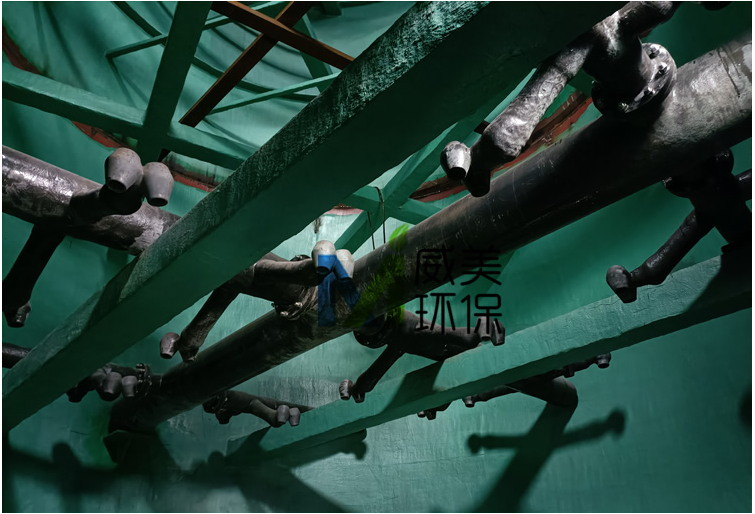
Example of Glass Flake Anti-corrosion for Internal Surface of Steel Shell
Anti-corrosion Requirements
- Derusting Treatment: The surface shall reach the St2.0 standard (no visible grease and dirt, and no loosely attached mill scale, rust, paint coatings and other attachments on the surface).
- Primer: Two coats of epoxy iron oxide red primer, with a thickness of 35μm per coat.
- Topcoat: Two coats of acrylic polyurethane topcoat, with a thickness of 35μm per coat.
- Internal Surface Treatment: The internal surface shall be sandblasted to remove rust and surface oil stains for enhancing adhesion, and then manually coated with glass flake with a thickness of not less than 3mm. The glass flake mortar for metal structures shall be the product of the designated manufacturer.
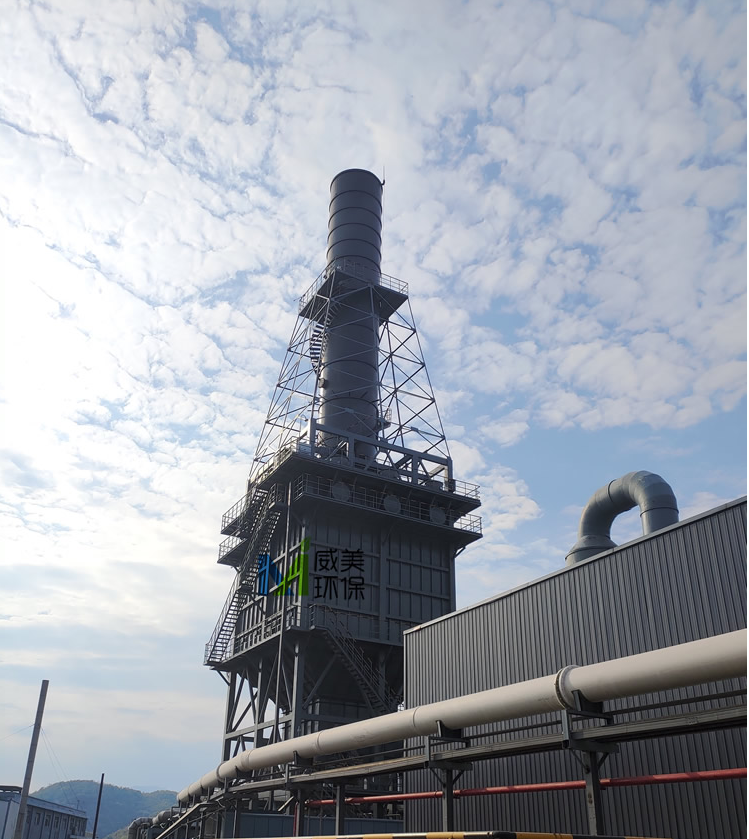
Wet Electrostatic Precipitator with Steel Shell