+86-18633235200+86-18633235200
E-Mail: weimeihuanbao@163.com
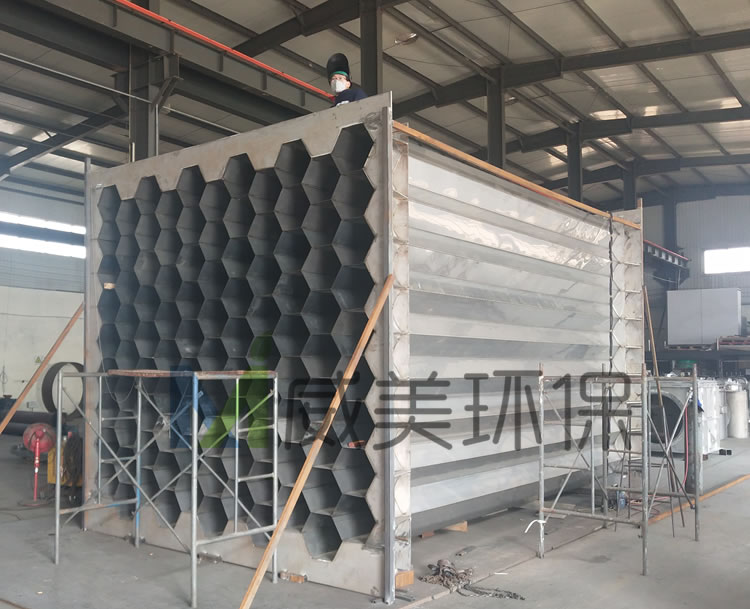
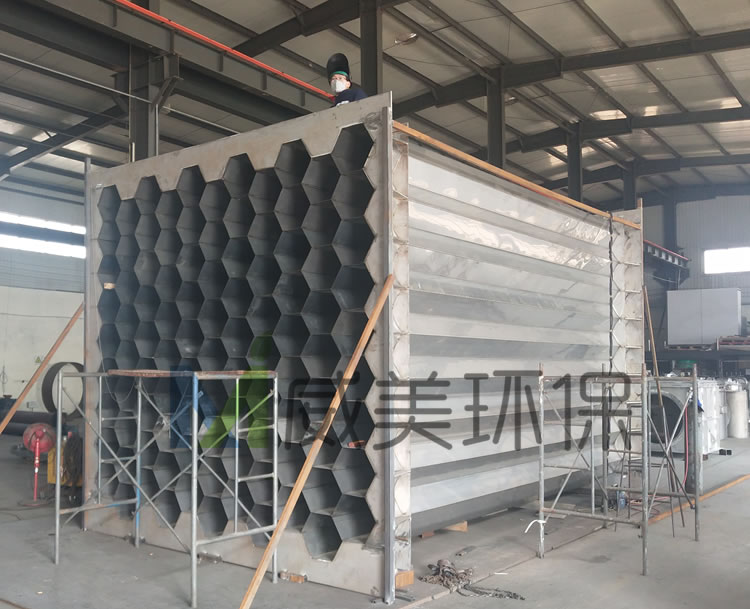
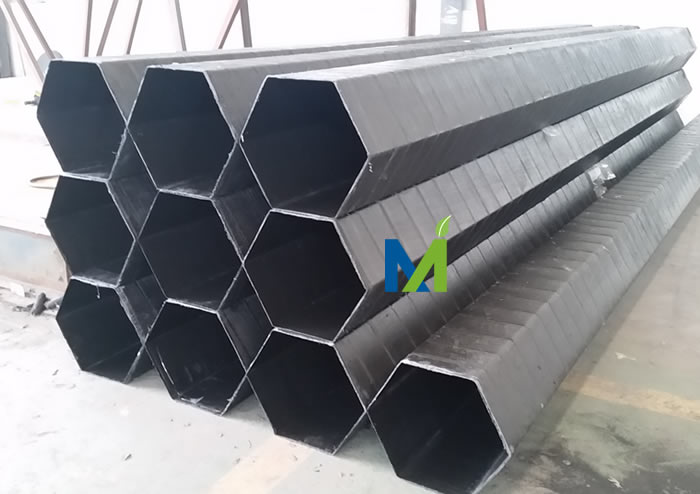
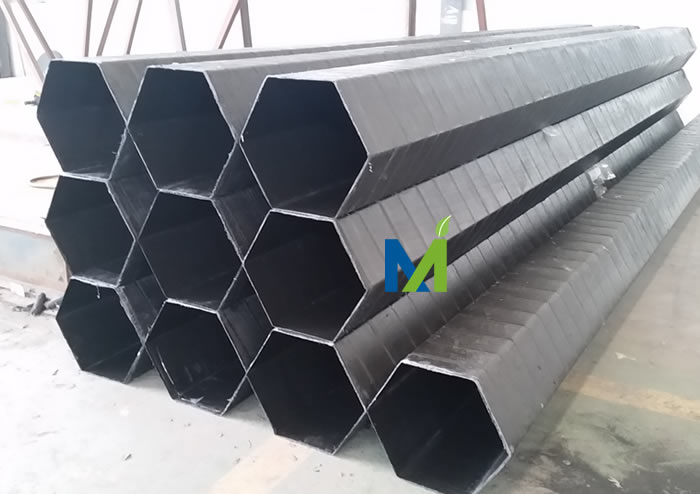
濕電除塵用導電不銹鋼陽極管,具有安裝方便,能確保每個模塊相互連通,確保導電性能穩定。管壁內表面光滑平整,內壁沖洗清潔方便,無對使用性能有影響的龜裂、分層、針孔等不良現象;不銹鋼陽極管端面平整,不會出現管徑和管長偏差,拉伸強度高,耐磨性強,防腐性能高,高溫時不變形,使用壽命長,合金鋼材料還可以二次回收利用。
不銹鋼電除霧器適用領域
磷化工行業、燃煤電廠\鍋爐煙氣除塵、硫酸工業酸霧處理、轉爐煤氣煙塵除塵、鋼鐵行業高濕煙塵、有色金屬冶煉除塵玻璃生產行業

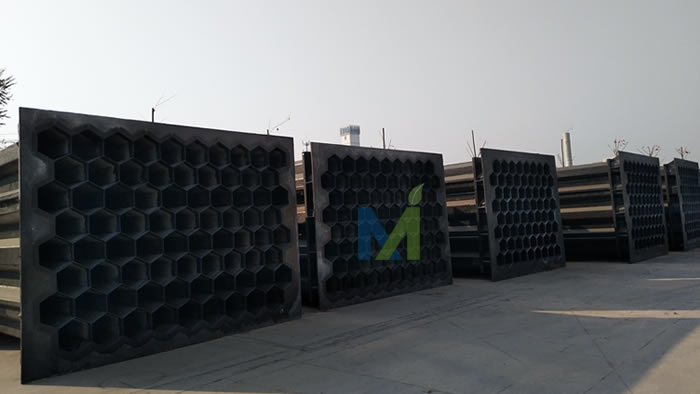
316L不銹鋼陽極管

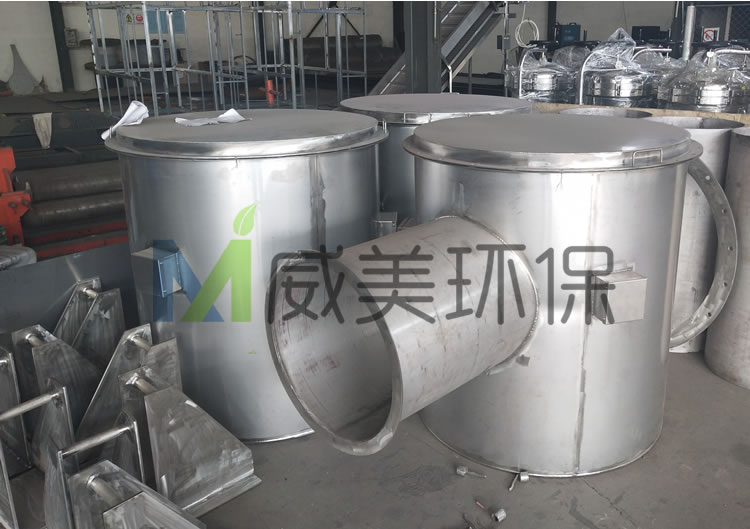
316L不銹鋼電除霧器殼體

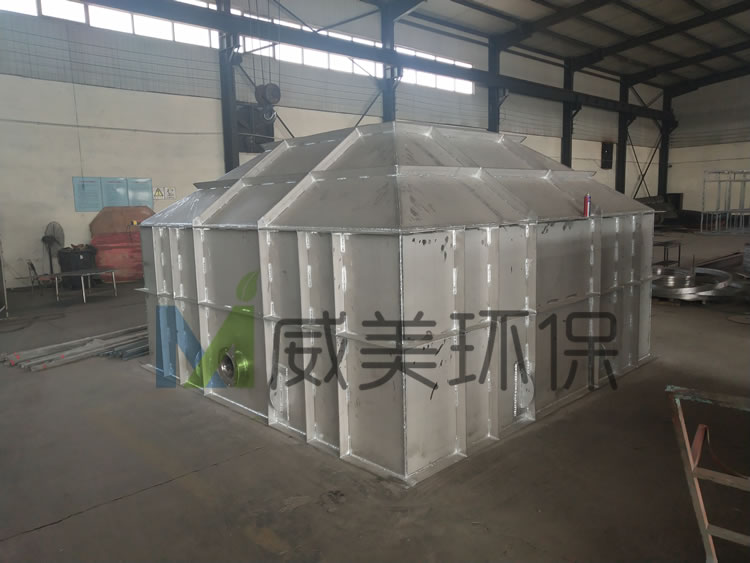
316L不銹鋼電除霧器集塵室

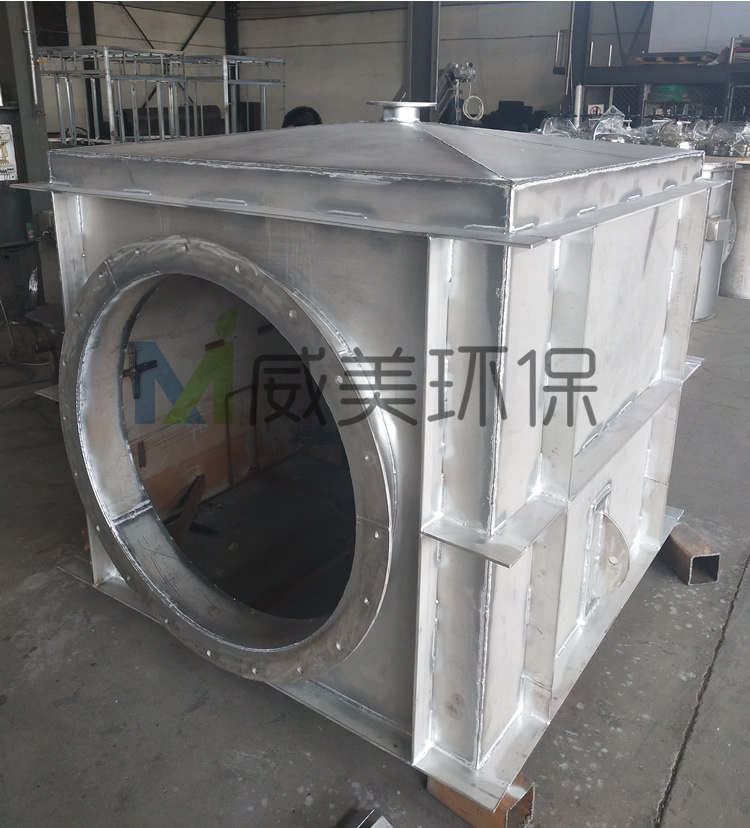
316L不銹鋼電除霧器絕緣箱


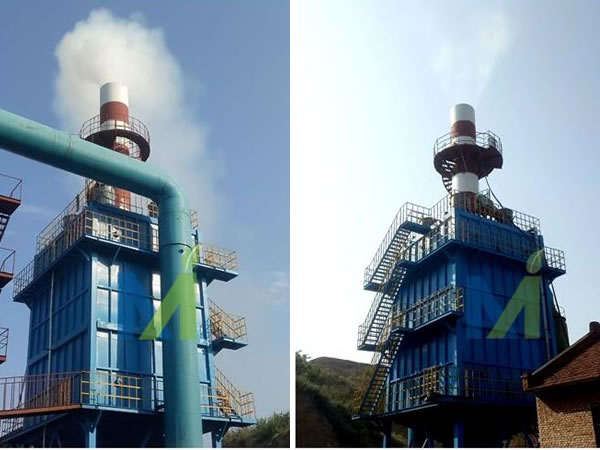
The flue gas volume of the wet electrostatic precipitator in a brick and tile tunnel kiln in Shanxi is no more than 100,000 m³/h, and the designed gas velocity is 1 m/s.

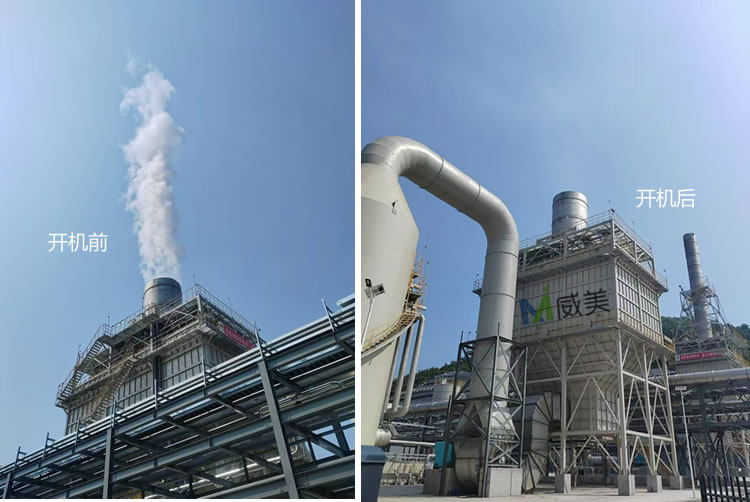
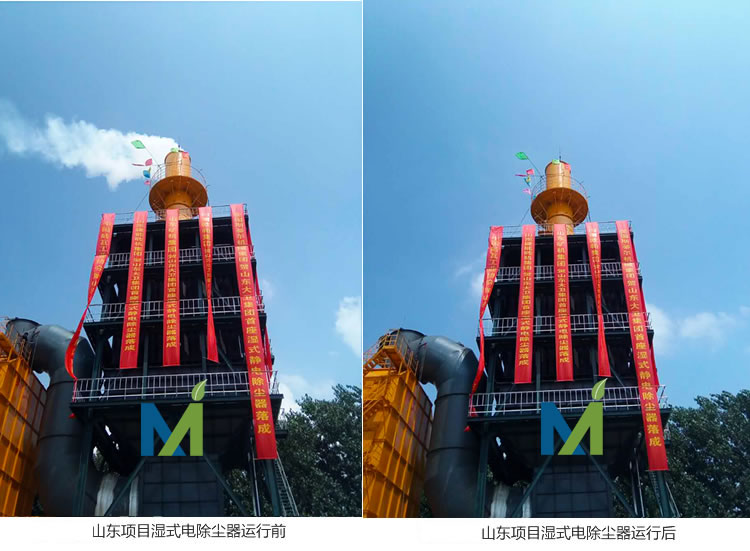
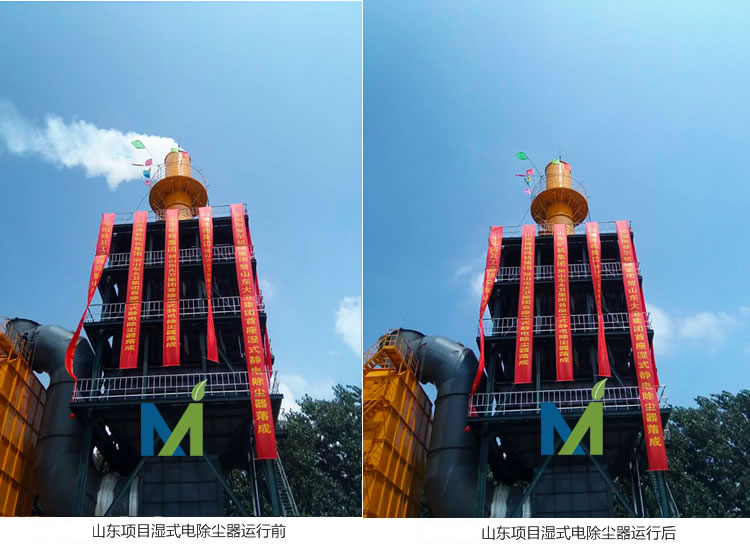
This set of equipment is a wet electrostatic precipitator for the 200,000 m³/h coal gangue flue gas of a brick and tile tunnel kiln in Shandong. The equipment is installed behind the tower. It utilizes high - voltage pulsed direct current and an electric field to drive the fine dust in the flue gas, accelerating its settlement on the anode surface to remove dust particles, fog droplets, aerosols and some odors from the flue gas, thereby achieving the purification of the flue gas.
The dust content of the flue gas at the inlet of this wet electrostatic precipitator is 200 mg/m³, the dust content of the flue gas at the outlet is ≤ 15 mg/m³, and the dust removal efficiency is ≥ 92%. It has passed the acceptance inspection of the local environmental protection department.

The above picture shows the project of a fiberglass wet electrostatic precipitator for brick - making flue gas undertaken by our company. This set of wet electrostatic precipitator is designed for a gas volume of 2 × 200,000 m³/h. The dust content of the flue gas at the inlet is 200 mg/m³, and the flue gas temperature is 70 °C. The dust at the outlet of the precipitator is required to be lower than 30 mg/m³. Currently, standard - compliant emission has been achieved.

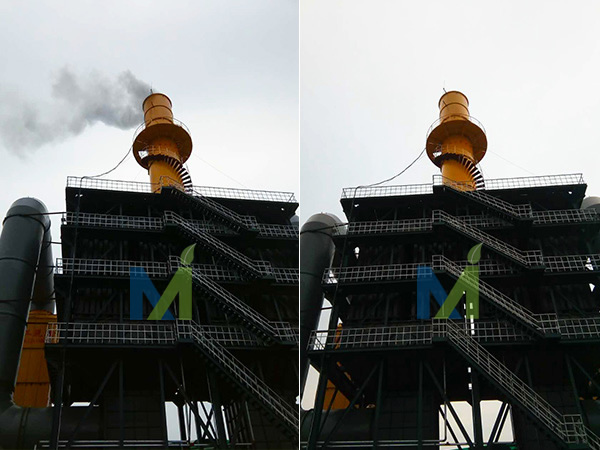
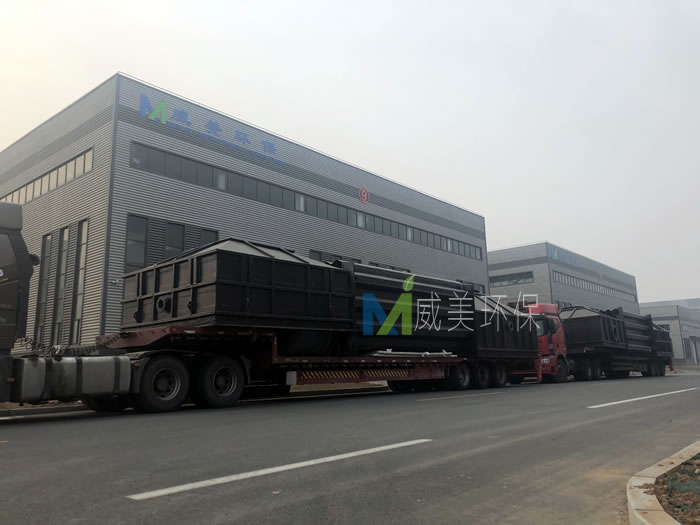
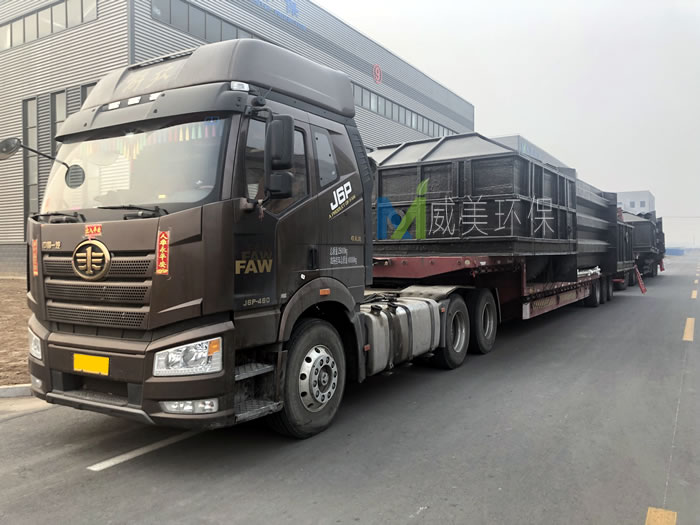
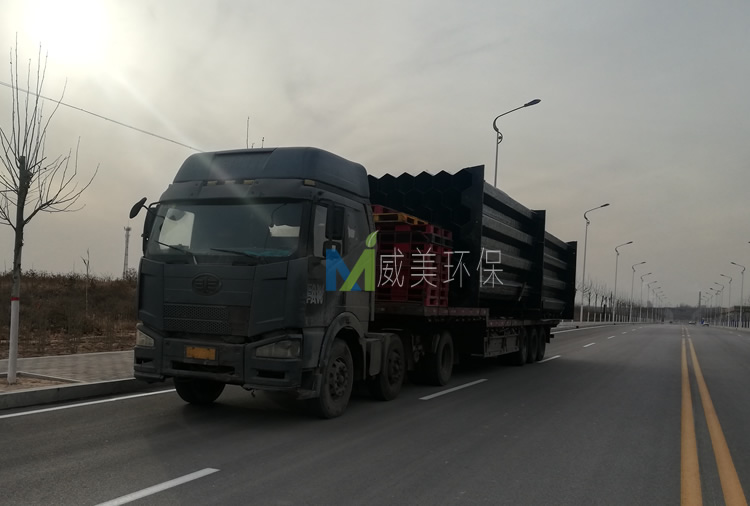
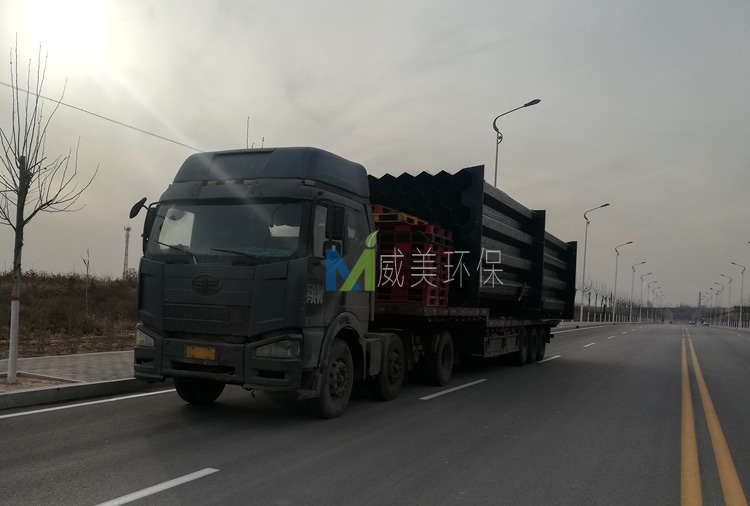
鋅焙砂及氯化鋅煙氣濕式靜電除霧器發貨內蒙,下圖為發貨現場
兩套濕式靜電除霧器其中一套針對為鋅焙砂煙氣進行深度凈化,煙氣量50000m3/h,設計氣速為1m/s,設計除塵效率為90%以上。另一套濕式電除塵(霧)器針對為氯化鋅蒸發煙氣進行深度凈化,煙氣量36000m3/h,設計基礎0.9m/s,設計除塵效率為90%以上。我司負責兩套電除霧設備本體(包括高壓電源控制柜至本體以內的電氣、電纜)的制作、運輸、安裝及調試,后續將跟進濕電設備的的安裝及調試進展情況。

該套濕式靜電除霧器針對為鋅焙砂煙氣進行深度凈化

該套濕式電除塵(霧)器針對氯化鋅蒸發煙氣進行深度凈化

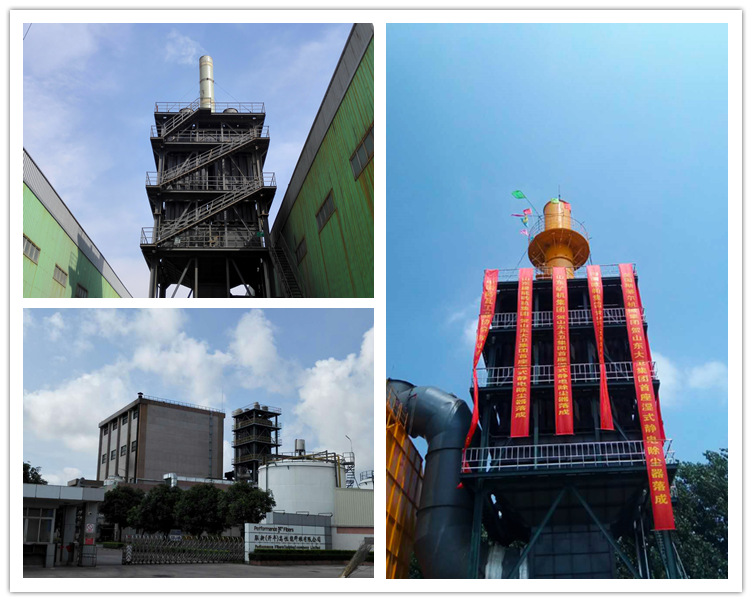
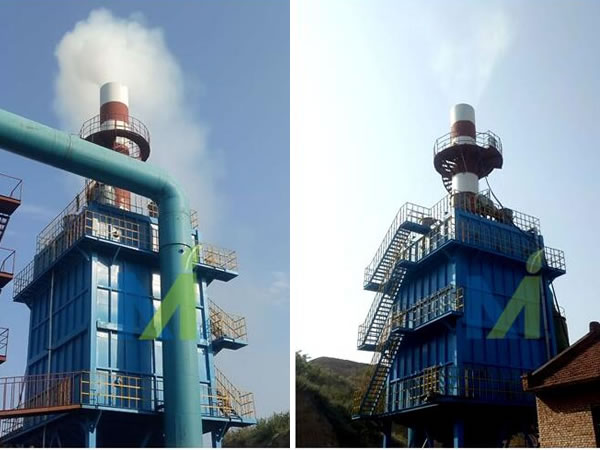
左上為河北威美鋅焙砂煙氣冶理案例
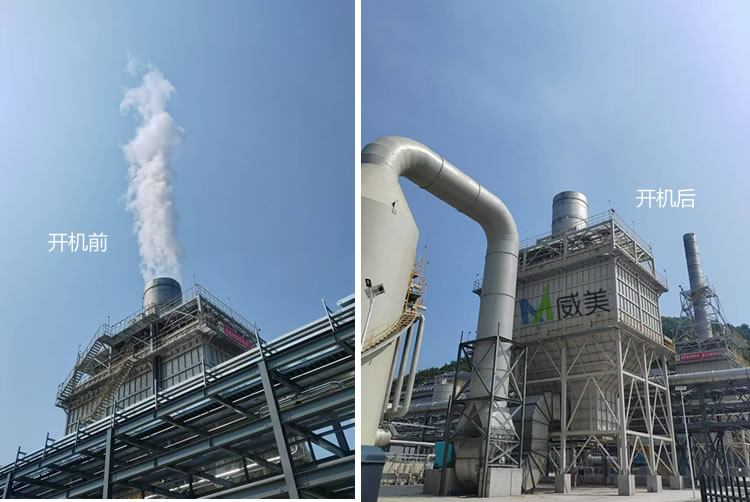
河北威美環保研發的濕式靜電除霧器是一種用來處理含微量粉塵和微顆粒的高效節能的煙氣凈化設備,主要用來去除含濕氣體中的塵、酸霧、水滴、氣溶膠、臭味、PM2.5等有有害物質,具有收塵效率高,處理煙氣量大,使用壽命長,維護費用低等優點,是治理大氣粉塵污染的理想設備,在當前國內外對環保要求越來越高的情況下得到了廣泛的應用。

此次發貨的濕電是為河北一家集化肥、化工于一體的綜合性化工企業定制。該套濕式電除塵器應用于該公司2萬噸氰尿酸項目。河北威美負責高壓靜電除霧器的本體及其輔助設備系統的功能設計、制造、供貨、安裝及調試,該設備煙氣量25000m3/h,煙氣溫度 ≤60℃ ,設計流速0.5m/s。
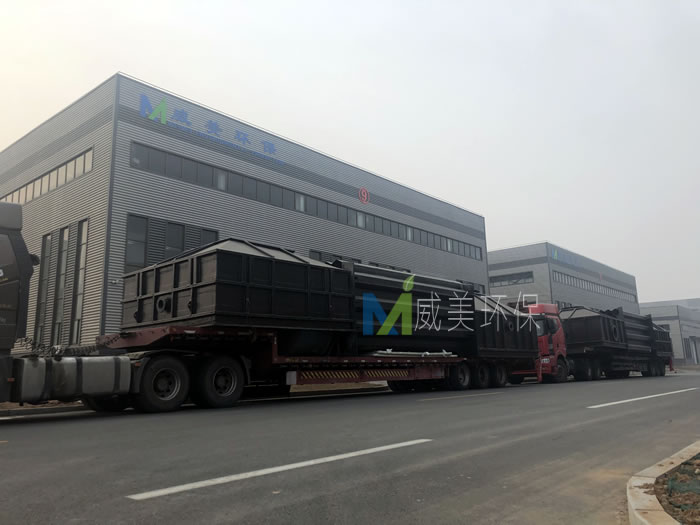
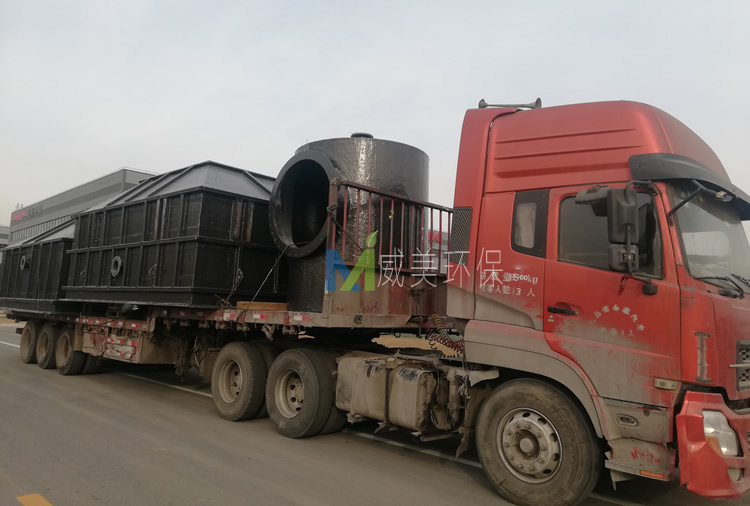
以下是氰尿酸煙氣深度凈化高壓靜電濕式電除塵器發貨現場圖,

氰尿酸煙氣深度凈化高壓靜電濕式除塵器陽極發貨

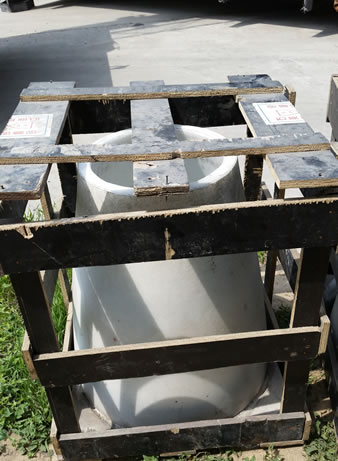
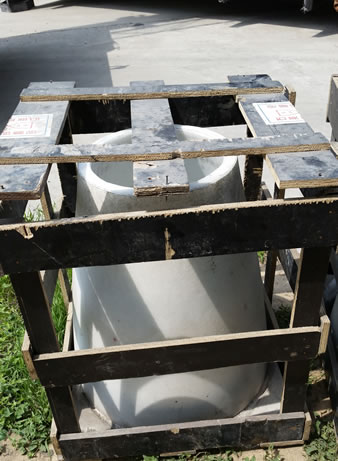
煙氣深度凈化高壓靜電濕式除塵器殼體及配件發貨

Conductive FRP wet electrostatic precipitators are generally applied to flue gas purification in the environmental protection industry, as well as gas purification, mist elimination and dust removal in industries such as metallurgy, chemical engineering and petroleum.
Conductive FRP wet electrostatic precipitators boast the following features:

Features of Conductive FRP Wet Electrostatic Precipitators

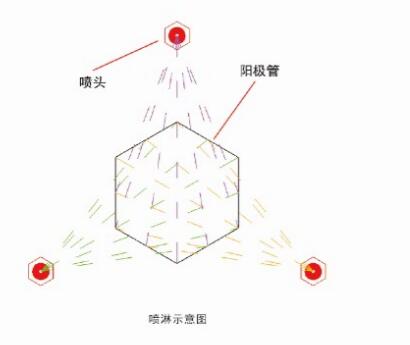
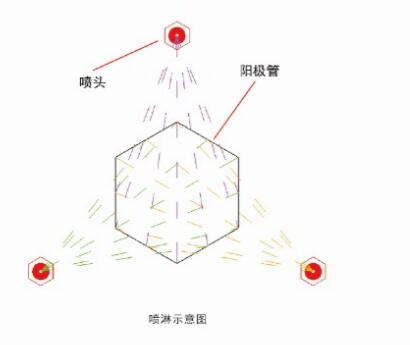
The wet electrostatic precipitator is equipped with an intermittent spray method. Spraying plays a remarkably significant and effective role in improving the efficiency of the wet electrostatic precipitator, as well as maintaining the cleanliness, long-term stability and safe operation of the electric field. It is especially crucial for the safe operation of the wet electrostatic precipitator and the initial commissioning phase. All users should attach great importance to this and strictly follow the relevant requirements. For intermittent spraying, impurity-free weakly acidic circulating water or clean water can be selected.

Schematic Diagram of Spraying for Wet Electrostatic Precipitator

Anode tubes constitute the anode system of wet electrostatic precipitators. The fiberglass reinforced plastic (FRP) anode tubes produced by Hebei Weimei Environmental Protection Co., Ltd. boast the advantages of strong corrosion resistance, excellent electrical conductivity, high efficiency in dust and mist removal, light weight, high strength, and compact structure. The honeycomb structure enables both the inner and outer surfaces of each tube to serve as precipitation surfaces. They also feature good flame retardancy, with the oxygen index of the material reaching over 32. Their service life can be as long as 20 years.

FRP Anode Tubes
Layered Structure and Fabrication of FRP Anode Tubes
The layered structure of the FRP used for conductive FRP anode tubes is, from the inside to the outside, as follows: 1 layer of carbon fiber mat, 2 layers of chopped fiber strip mats, 3 layers of glass fiber cloth with a thickness of 0.4mm, and 1 layer of glass surface mat. Vinyl resin is adopted as the base resin, which contains high-carbon-content (>98%) graphite, flame retardants and other additives. The conductive FRP made of this material has the advantages of high strength, good rigidity, excellent electrical conductivity and flame retardancy.
Characteristics of FRP Anode Tubes

Anode System of Wet Electrostatic Precipitator

During the operation of a wet electrostatic precipitator, damage and cracking of insulating porcelain insulators often occur, which will lead to failure to apply high external voltage or transmit power. What are the causes of this situation?

Replacement of Insulating Porcelain Insulators for Wet Electrostatic Precipitator

Phenomenon: Excessively frequent flashover, accompanied by decreased dust collection efficiency
Causes:
(1) Discharge occurs outside the electric field of the electrostatic demister, such as discharge at the isolating switch, high-voltage cable, damping resistor, etc.
(2) The spark rate of the electric control cabinet is not properly adjusted.
(3) Fluctuations in operating conditions lead to drastic changes in flue gas parameters.
(4) Improper adjustment of the distance between cathode wires and anode plates.
Troubleshooting:
(1) Eliminate the discharge at the faulty parts.
(2) Adjust the spark rate potentiometer and switch the device to automatic mode.
(3) Notify the chief operator to optimize process conditions and improve flue gas parameters.
(4) Adjust the distance between cathode wires and anode plates to the standard range.
Phenomenon:
Low primary and secondary voltage; low secondary current. The primary current is much higher than normal, rises rapidly, and is disproportionate to the secondary current rise.Cause: Turn-to-turn short circuit occurs in the rectifier transformer, or the silicon stack is open-circuited or broken down.
Troubleshooting:
Conduct an open-circuit test. If current is detected on the primary side, it indicates internal component damage, magnetic bias or short circuit in the transformer. Lift the transformer core for maintenance and replace the damaged components.
Phenomenon:
Low primary and secondary voltage; low secondary current. The primary current is extremely high, rises disproportionately to the secondary current, surges and changes abruptly. This may blow the quick fuse, and the transformer emits obvious abnormal noise.
Causes:
(1) Short circuit fault in the low-voltage winding of the rectifier transformer;
(2) Insulation damage to the rectifier transformer core (including through-core bolts), resulting in severe eddy current.
Troubleshooting:
(1) Replace the low-voltage winding;
(2) Re-insulate the transformer core.
Phenomenon:
When primary and secondary currents reach rated values, the primary voltage stays between 280–330V, the secondary voltage ranges from 40–50kV, and no flashover occurs.Cause: Severe leakage at the high-voltage cable and its terminal.
Troubleshooting: Reconstruct the high-voltage cable and its terminal.
Phenomenon:
Frequent frequency conversion of the alkali supply pump, large fluctuation in rotation speed, and drastic changes in the pH value of the circulating water tank.Cause: Clogging of the neutralization pipe in the circulating water system by foreign matters.
Troubleshooting:
Clean the foreign matters inside the anode tubes of the electrostatic demister.
Phenomenon:
Gradual decrease in circulating water flow, accompanied by a progressive drop in dust collection efficiency.
Cause:
Scaling on the pipelines of the electrostatic demister and the circulating water pump.Troubleshooting: Appropriately reduce the pH value of the circulating water tank to 5.2 during operation.

Wet Electrostatic Precipitator (WESP)

To ensure the long-term stable operation of an electrostatic precipitator and achieve the expected dust removal efficiency, a designated person shall be assigned to be responsible for its operation and maintenance. The person in charge must meet the four understandings and three competencies requirements for the electrostatic precipitator.The four understandings refer to: understanding the structure, understanding the working principle, understanding the performance, and understanding the functions.The three competencies refer to: being competent in operation, being competent in maintenance, and being competent in troubleshooting.
An inspection shall be conducted on the electrostatic precipitator every time it is shut down, including cleaning the electric field, straightening severely deformed anode plates and cathode wires, wiping the insulating porcelain components, measuring the insulation resistance, and troubleshooting faults occurring during operation. In addition, a medium maintenance shall be carried out once a year, which includes replacing damaged parts. For each overhaul, the electric field shall be comprehensively cleaned and adjusted, all parts that affect performance or are damaged shall be replaced, and the lubricating oil shall be changed regularly.
Routine Inspection and Maintenance of Electrostatic Precipitators
1.1 First check the dust accumulation status inside the electric field before cleaning it.
1.2 Check the side walls of the electric field, access doors, insulator chambers on the top cover, and other parts for air leakage, condensation, dust caking, corrosion, or dust accumulation, and remove these defects accordingly.
1.3 Check the temperature of each drive motor, the oil level inside the reducer, whether the rapping shaft bearings are jammed, whether the hammer heads rotate flexibly and are not loose or missing, and whether the impact contact positions are accurate. Apply lubricating oil to the motors in accordance with the product specifications.
1.4 Sometimes the gas distribution plates in areas with low flue gas velocity may be prone to dust accumulation and clogging; inspect and perform manual cleaning on them.
1.5 Check the cathode frame and cathode wires for deformation and dust accumulation.
1.6 Check the anode plates and rapping rods for deformation and dust accumulation.
1.7 Insulating porcelain sleeves are used to support and insulate the discharge system. During operation, a layer of dust and dirt often accumulates on the surface of the porcelain sleeves, which may easily lead to surface high-voltage breakdown and thus crack the insulators. Therefore, the porcelain sleeves shall be kept clean. Wipe the inner and outer walls of the porcelain sleeves every time the equipment is shut down, and carefully check for tiny cracks with a flashlight.
1.8 Check the porcelain rotating shafts for the discharge electrode rapping device for dust adhesion and wipe them clean; replace them immediately if cracks are found.
1.9 Check whether the high-voltage silicon rectifier transformer (in accordance with the manufacturer’s instructions), high-voltage isolating switch, relays, heating element functions, temperature measurement and control instruments, alarm devices, and grounding devices are in normal condition, and eliminate any faults detected.